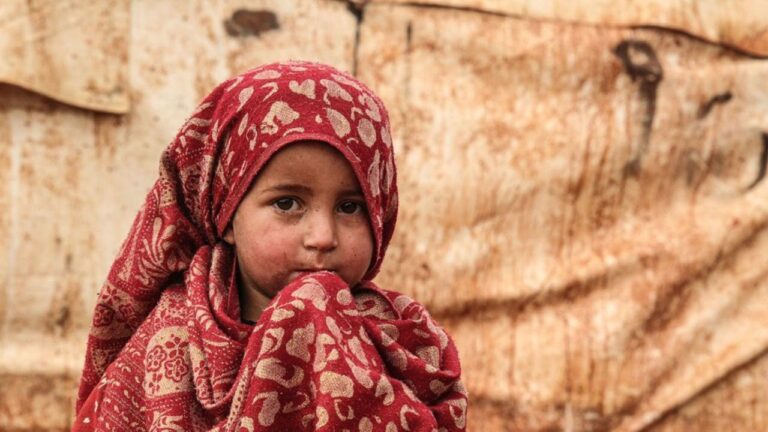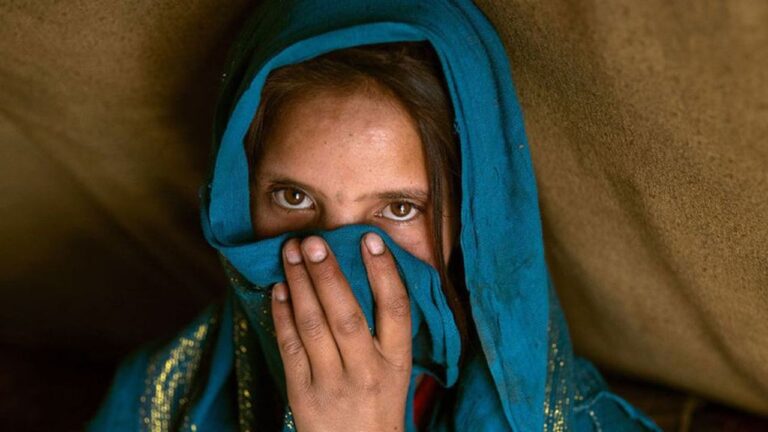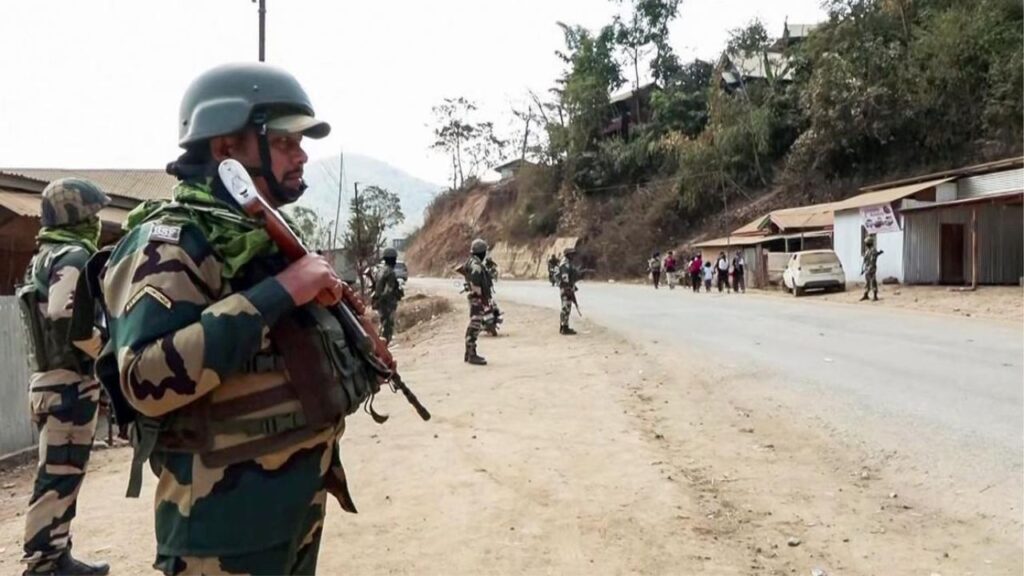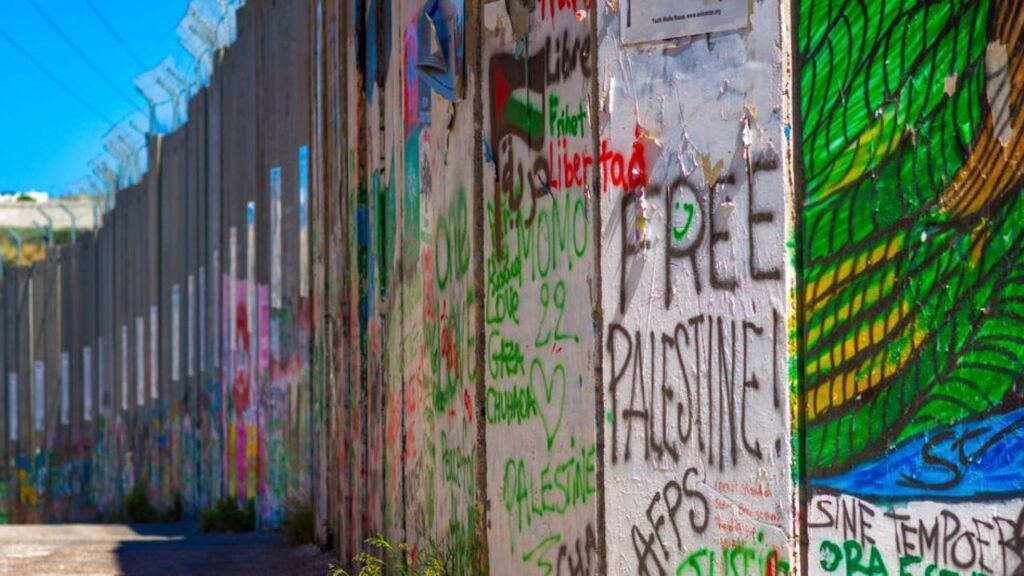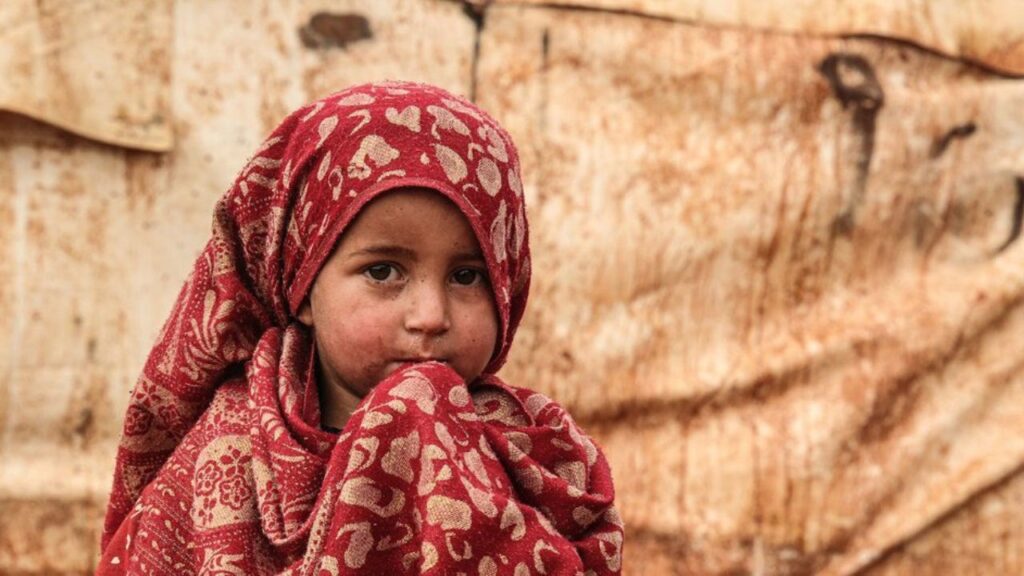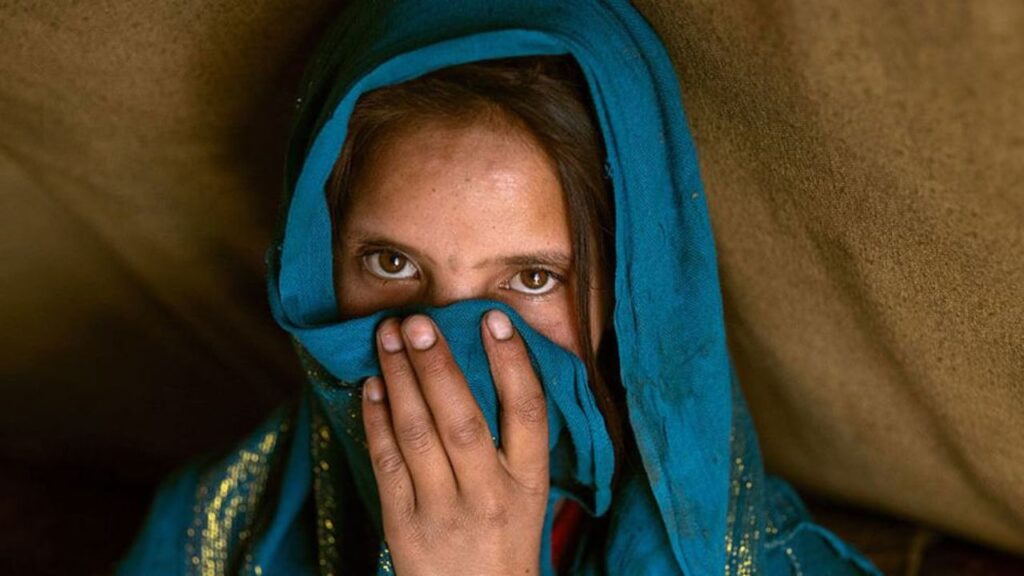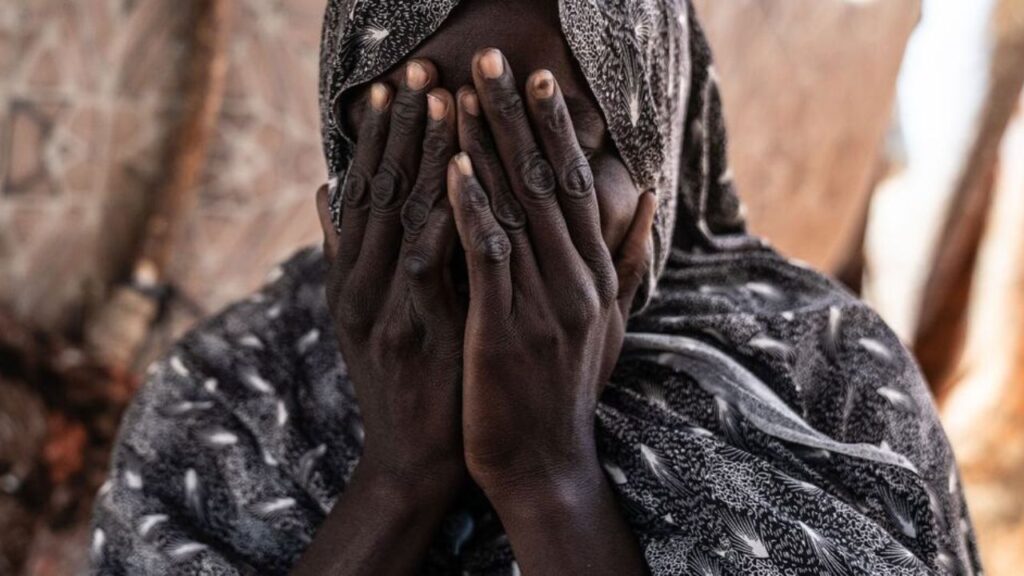

In conflict-hit regions around the world, a silent health emergency is making life even harder for women and girls. Period poverty – the lack of access to sanitary pads, clean water, safe toilets and basic knowledge about menstruation – is turning a natural process into a daily struggle that affects health, education and dignity.
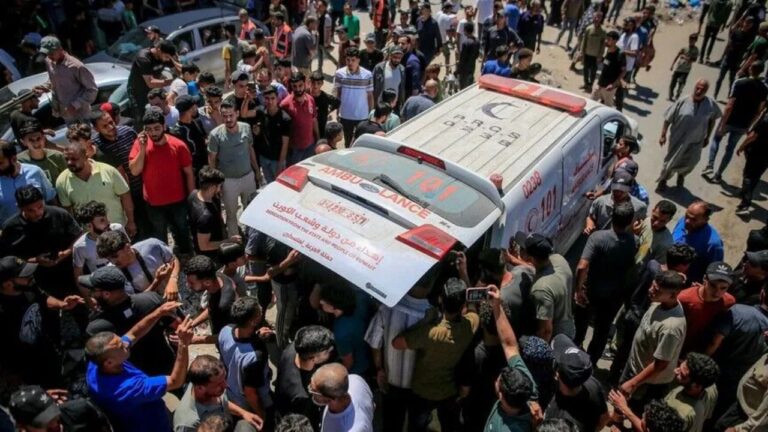
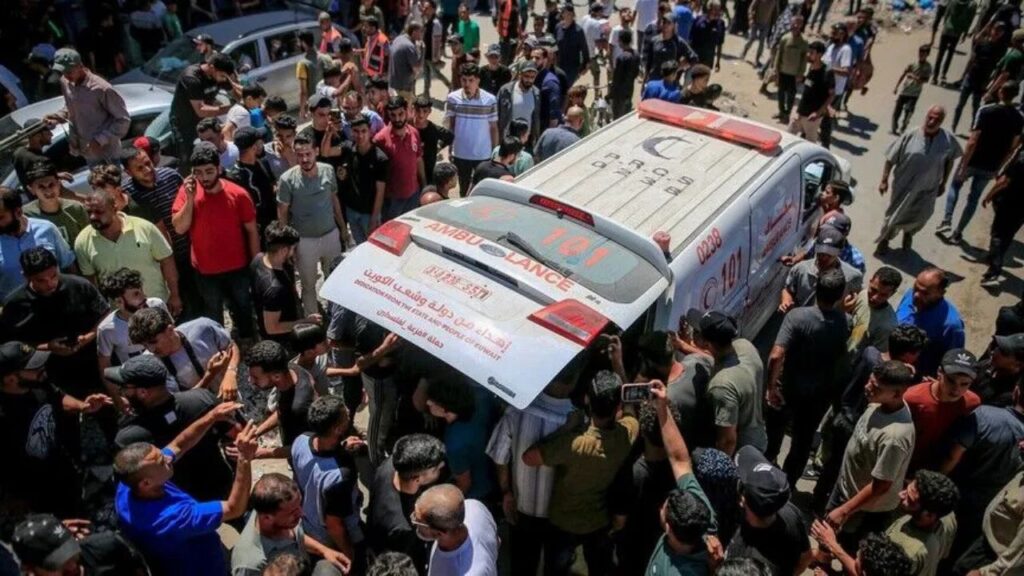
Latest figures from UN Women show that 612 million women and girls live within 50 kilometres of active war zones. For them, getting even one sanitary pad can be impossible. In Gaza, women need more than 10 million pads every month, but three-quarters of that need goes unmet. When pads do reach the market, they are treated as luxury items and cost up to six times the normal price. Many women have no choice but to use pieces of cloth, old sponges or even tent material, putting them at high risk of serious infections.
The problem is not limited to Gaza. In Yemen, Syria, Ukraine and other crisis areas, bombed water systems and broken supply lines mean that soap, water and private toilets are rare. Women and girls often share toilets with men or have no safe place to change or wash. Getting rid of used cloths or pads becomes another nightmare. Doctors in these areas report a sharp rise in urinary and reproductive tract infections, some of which go untreated because hospitals are full of war injuries.
Girls pay the heaviest price in education. A 2024 UNICEF study found that more than 119 million adolescent girls missed school because of their periods, and over a quarter of them live in conflict or disaster-affected countries. Many stay home for several days each month or drop out completely because they have nothing to use and no private toilet at school.
The high cost of women’s hygiene products – often called the “pink tax” – makes everything worse. Even in normal times, women spend more than men on basic health items. In war, when money is short and prices skyrocket, families are forced to choose between food and pads.
Aid agencies and experts say menstrual products must be treated as essential items, just like food, water and medicine. Yet most emergency relief plans still ignore them. Global standards say every person in a camp needs at least one toilet for every 20 people and 20 litres of clean water a day, but these rules are rarely followed.
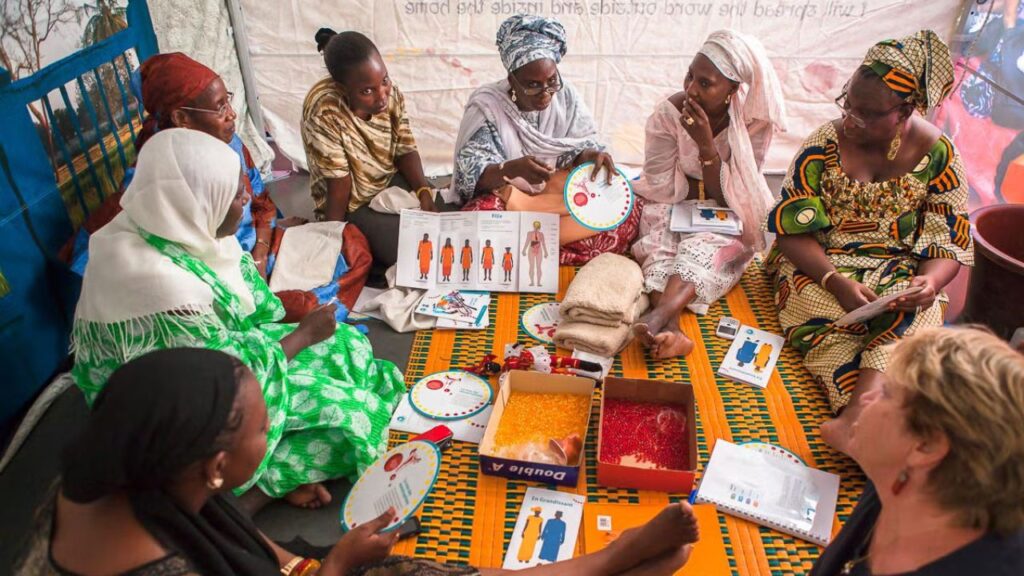
Activists are calling for simple changes that could make a big difference: include pads and underwear in every humanitarian kit, build more gender-separated toilets, teach both girls and boys about menstruation in schools, and train health workers to treat period-related infections quickly.
Until these steps become normal practice, millions of women and girls in crisis zones will continue bleeding in silence – paying a hidden and heavy price for simply being female.