
by Jatin Jha
Published on 17 July 2026
Maa is one of the smartest people I know. She holds two Master’s degrees, one of which she obtained just a few years back, by visiting the centres, giving exams, submitting assignments all by herself.
Here’s an anecdote which exhibits her street-smartness: I missed my transport to school one day and due to the urgency, she dropped me off. We’d recently moved to a new house and thus she wasn’t aware of the route back home from the school and she wasn’t too tech-savvy thus, didn’t use maps. She then started reading the bus numbers passing by, and as soon as she saw ‘727’ written on one, recalled having seen it in our neighbourhood. Thus, she very calmly drove behind it for 10 kilometres, at the end of which, she reached home safely!
To see a woman this independent and smart turn into someone who needs to be reminded of and requires assistance in using the washroom as well, has been the hardest thing my family has witnessed. Alzheimer’s is cruel. A very cruel disease.
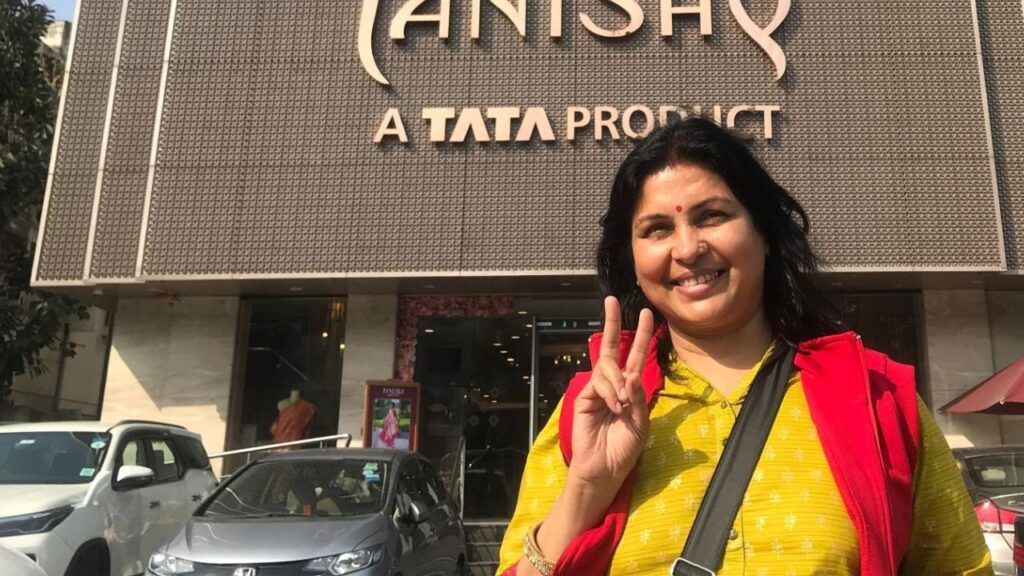
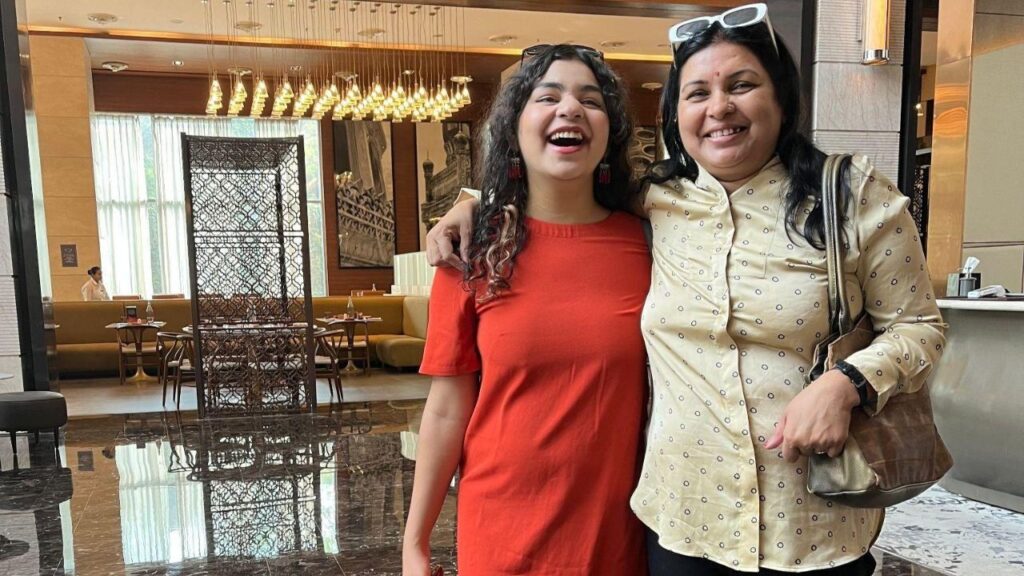
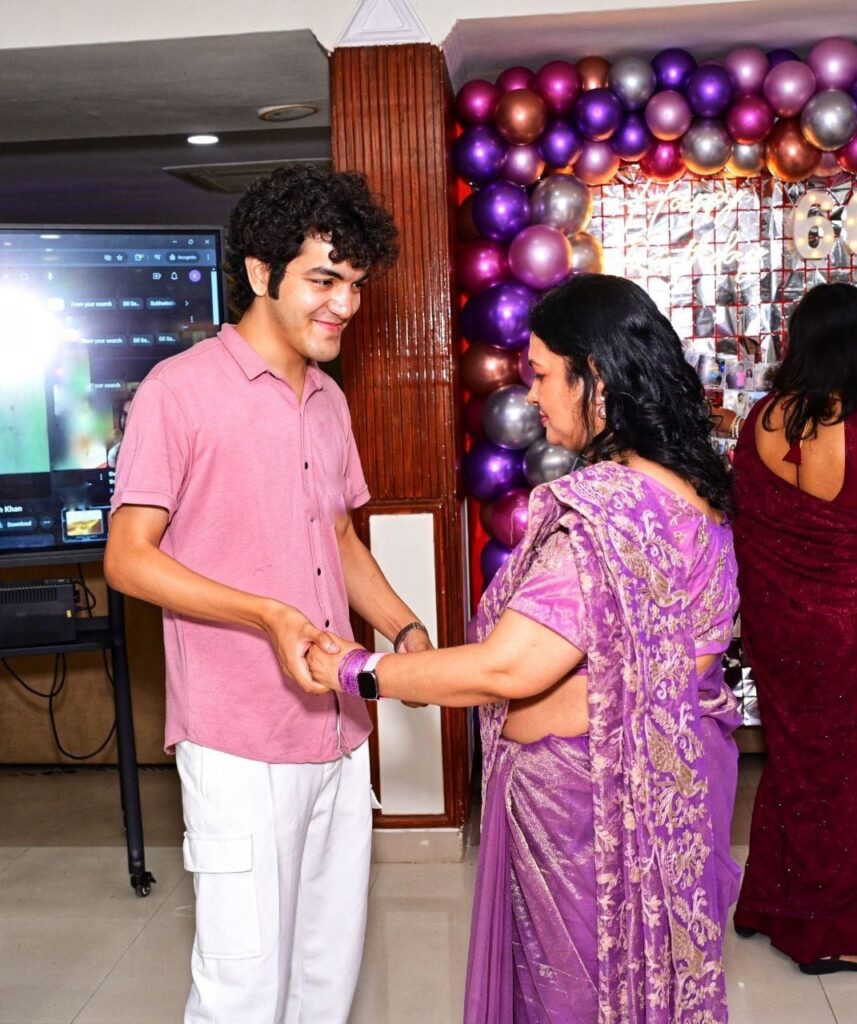
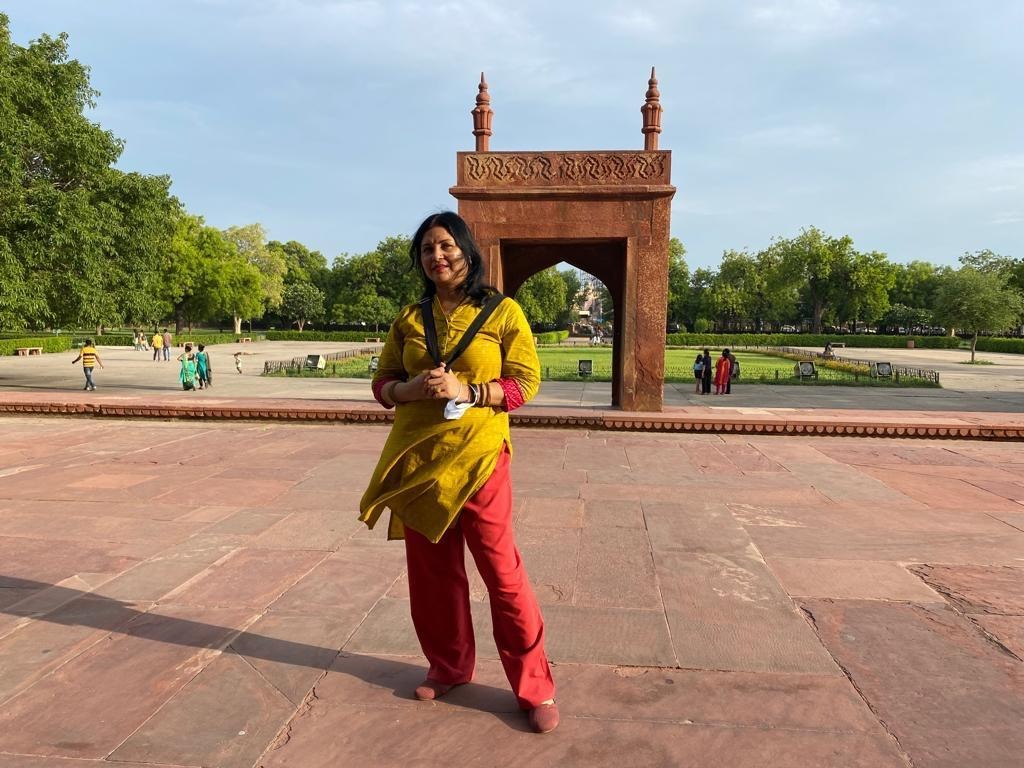
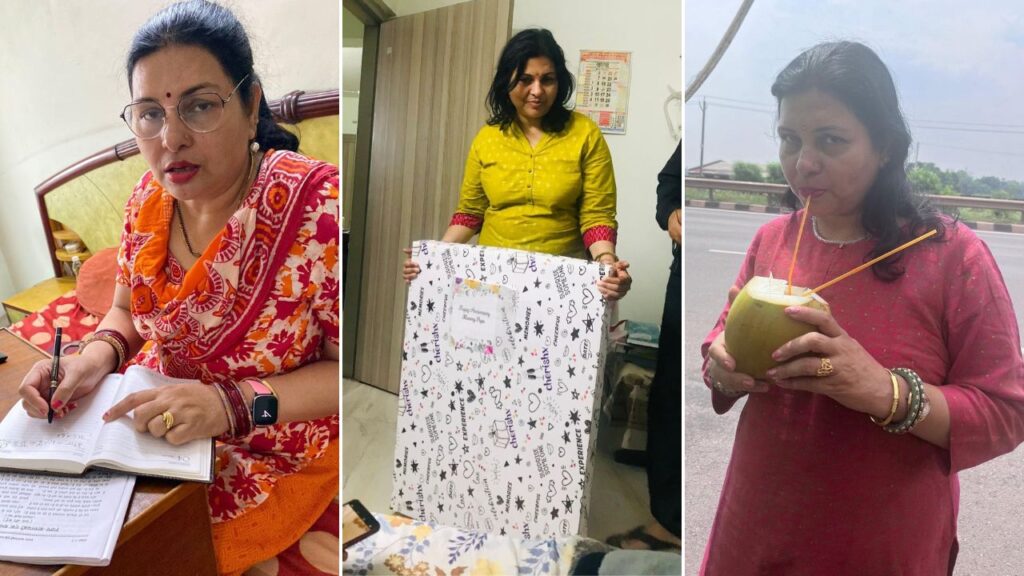
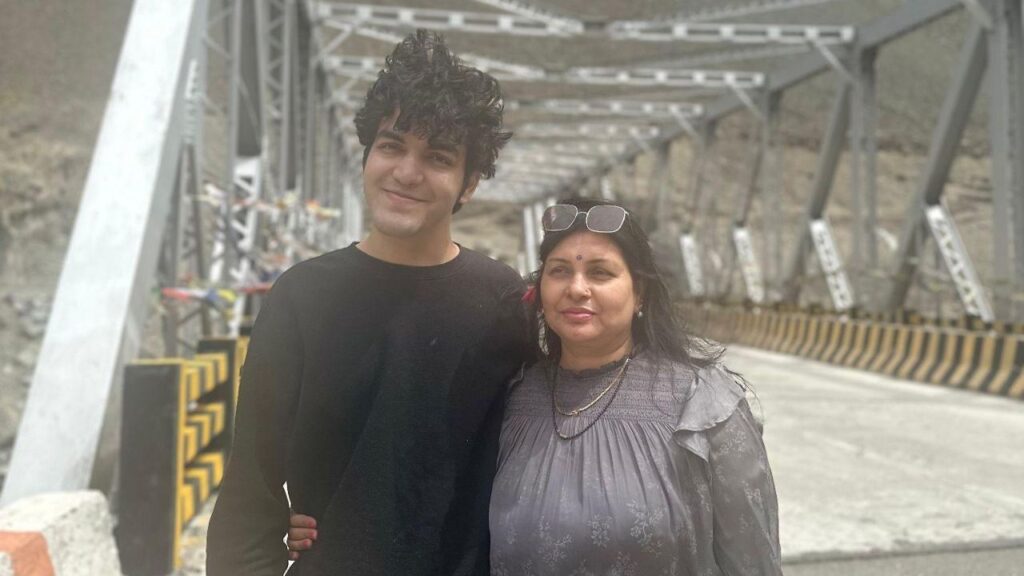
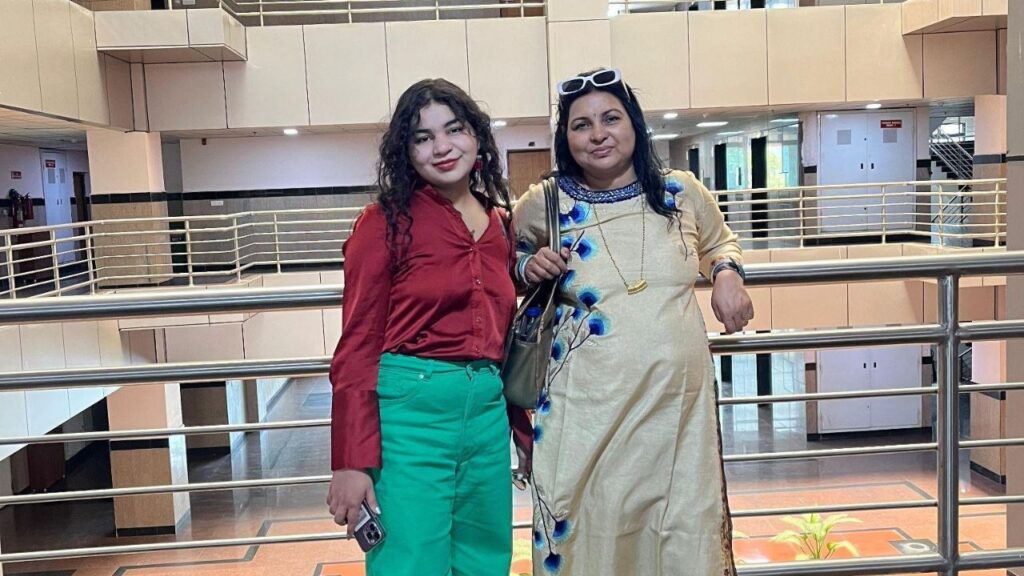
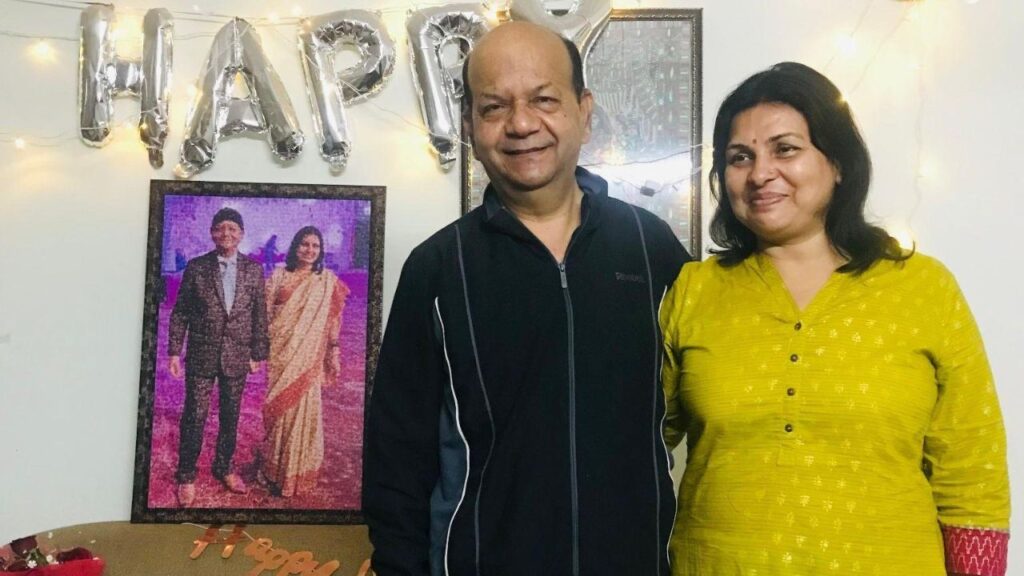
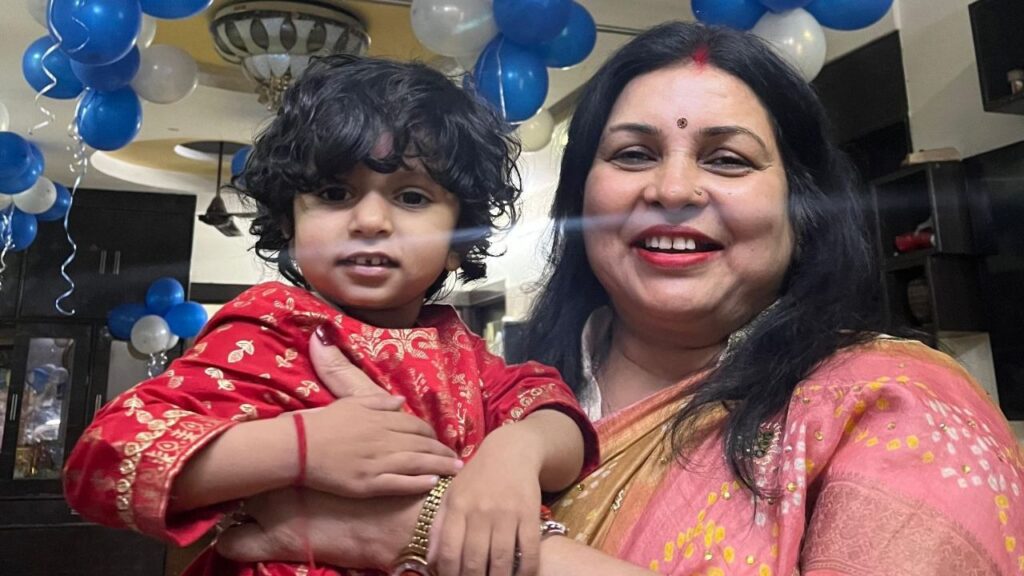
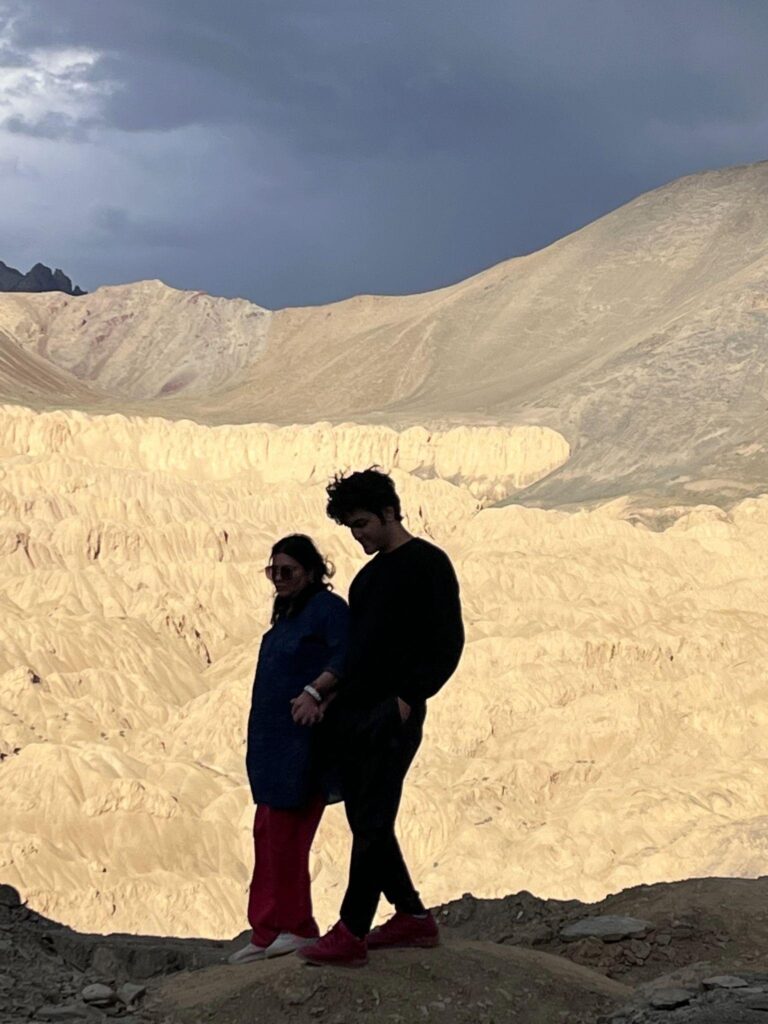
In these pictures, you can of course see that Maa is a joyful person. These are different moments that have been captured. This started when I was 21 years old, still a college-going kid.
We discovered that Maa has dementia and none of the doctors were initially able to diagnose what exactly is going on until three years later when they concluded that it was Alzheimer’s Disease. Rather than going into the technical medical details, I will talk about two aspects:
Number one, how I dealt with it and I have been dealing with it. And number two, what are my learnings from it.
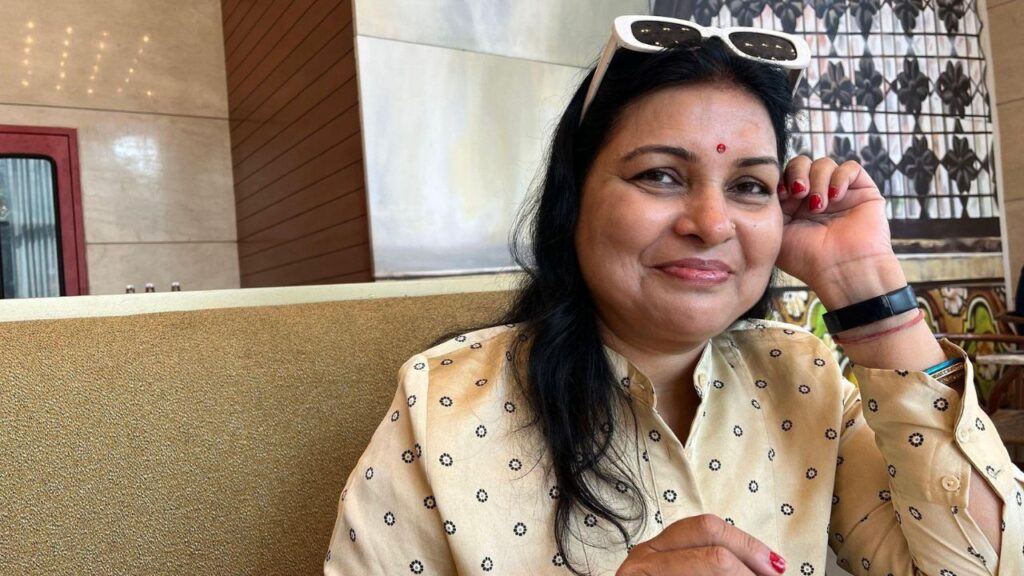
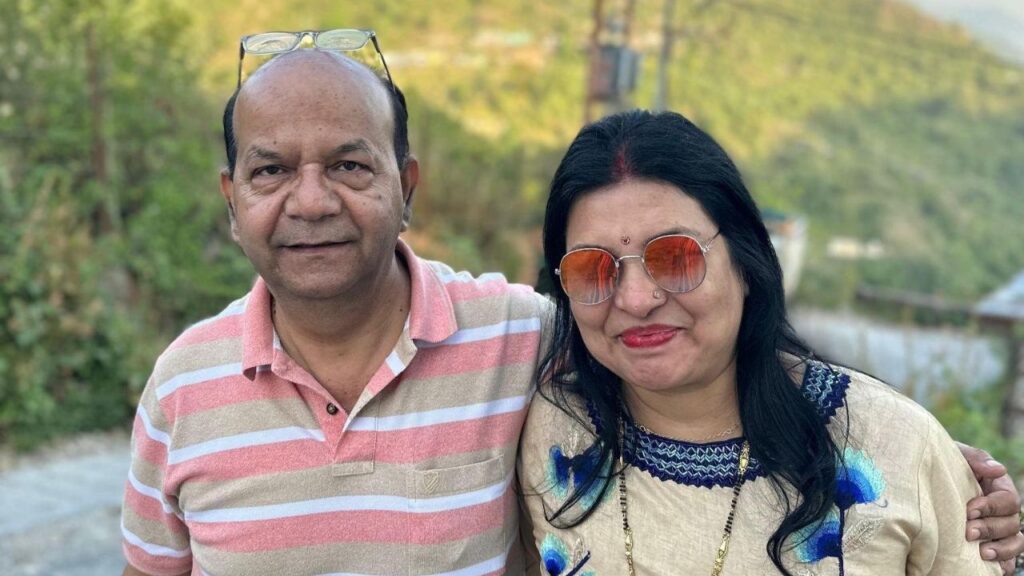
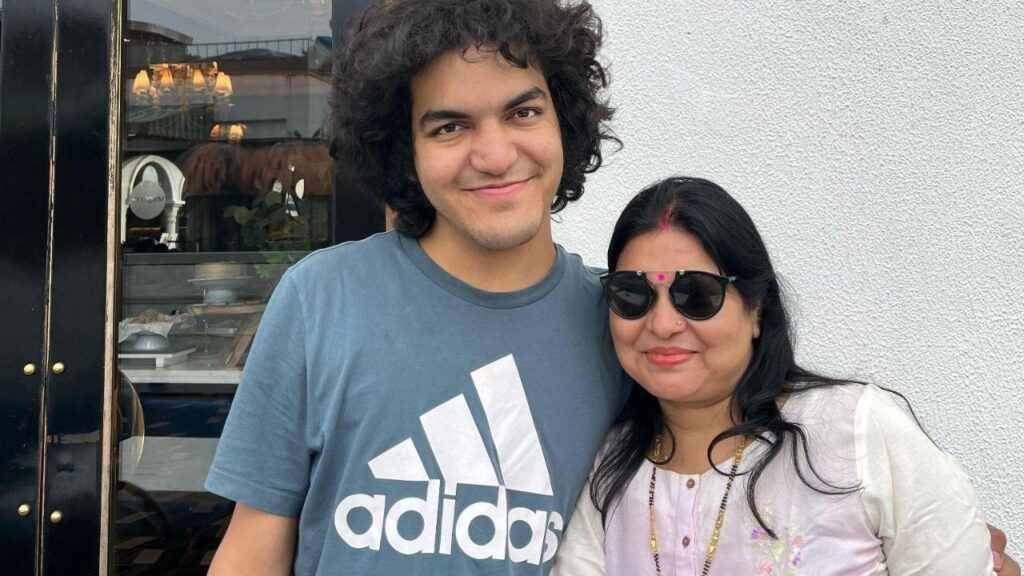
Every time I am out of home, I call her four times a day and tell her where I am, but it still doesn’t register. Like I’m in Nagaland right now, but that fact still hasn’t registered in her mind. On hearing my voice on calls, she keeps wondering where the sound is coming from, having lost the concept of phones.
She has forgotten almost all of my relatives at this point, but thankfully she still remembers some parts of me, not the name though.
So, how do I deal with it?
To be very honest, I don’t think a human’s brain or heart is capable of being able to ‘deal’ with something like this entirely, but here are some things that helped.
#1 Patience: Lots and lots of it. This has taught me patience in a way that nothing else has. Because when I was 21 years old and this started suddenly, I was a college-going kid who of course had no idea what any of it was, even the spelling of ‘Alzheimer’s’.
#2 Don’t ask ‘why me’: The moment any problem this unexpected and grave comes, it is a very natural response to go ahead and ask the question: Why me? But since there’s no answer to it, there’s not much point in asking that either. It just ends up creating a cycle of self-blame and self-pity. In a lot of problems, it makes more sense for us to focus on processing our emotions and the solution part of it rather than the why part of it.
#3 Practice radical acceptance: a corollary of the previous point, accepting that this is not something that’ll go away in a few months, it is something that I have to live with. Also, Alzheimer’s does not have a cure. So, there is a proper radical acceptance that I have to practise every single moment of my waking day.
#4 Accepting that no one is to blame: A lot of times, we try to find the blame within our family or somewhere outside the family, because that’s easier to deal with. Doctors at AIIMS, NIMHANS, and various other hospitals talk about how there’s no use of trying to pin the blame somewhere.
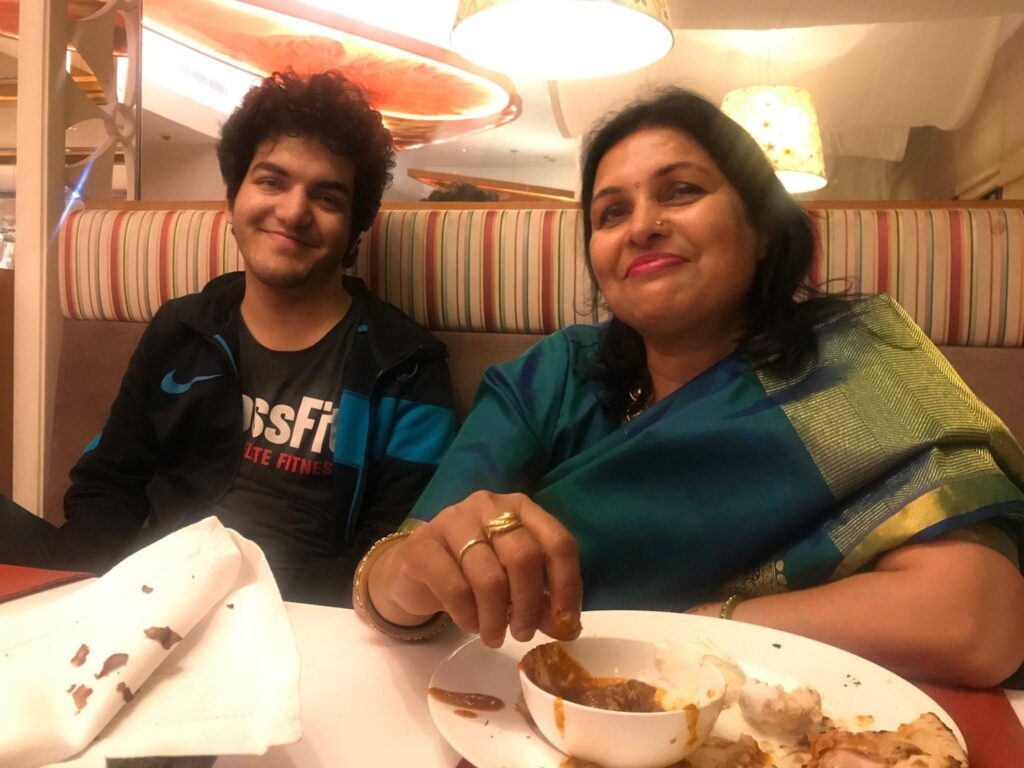
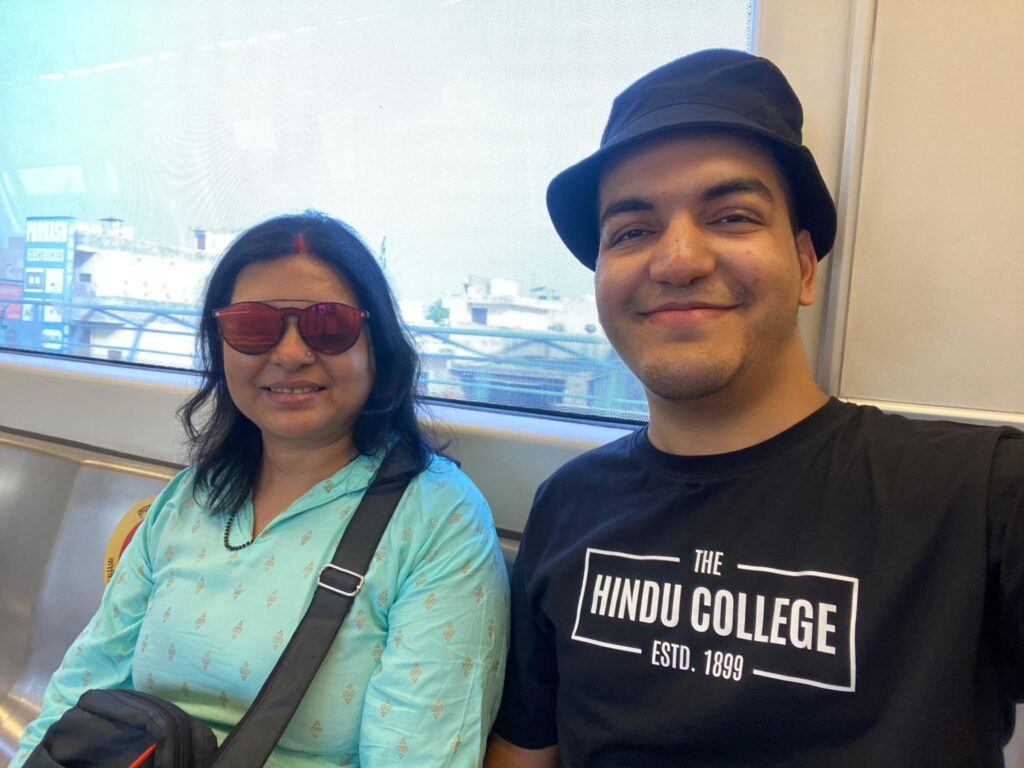
#5 Encourage activities & long lost passions: The moment you start treating a person who’s ill as just their illness, you end up majorly limiting them. For both their benefit as well as the caregiver’s, you need to have constant reminders of the person they used to be, before the illness.
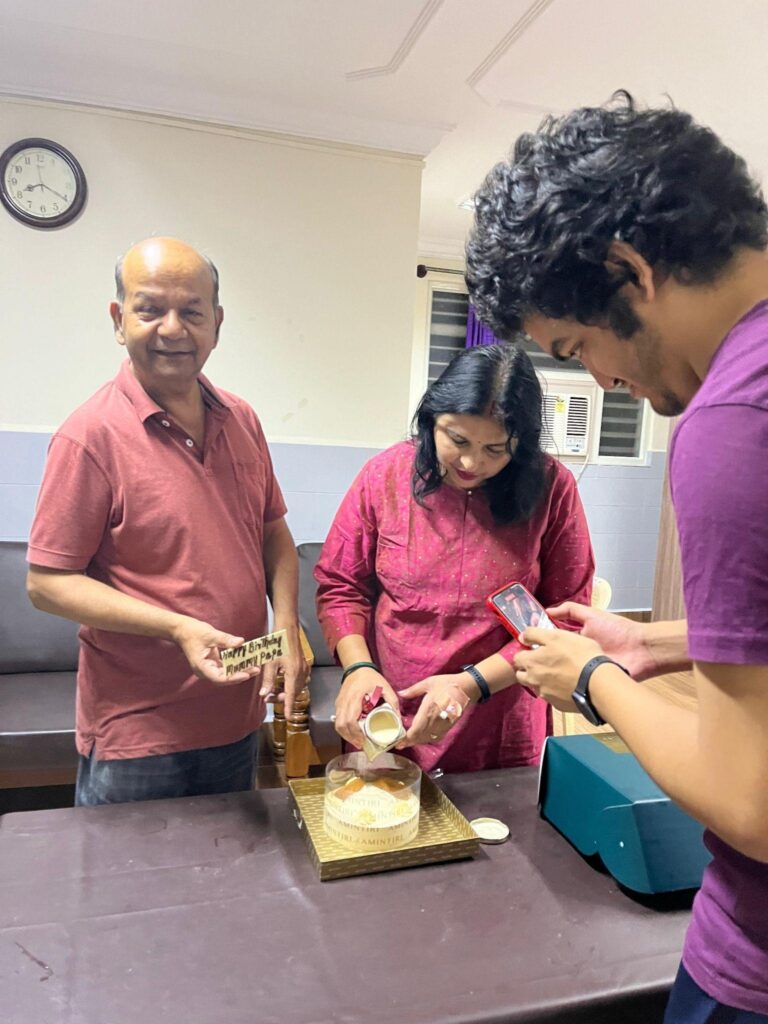
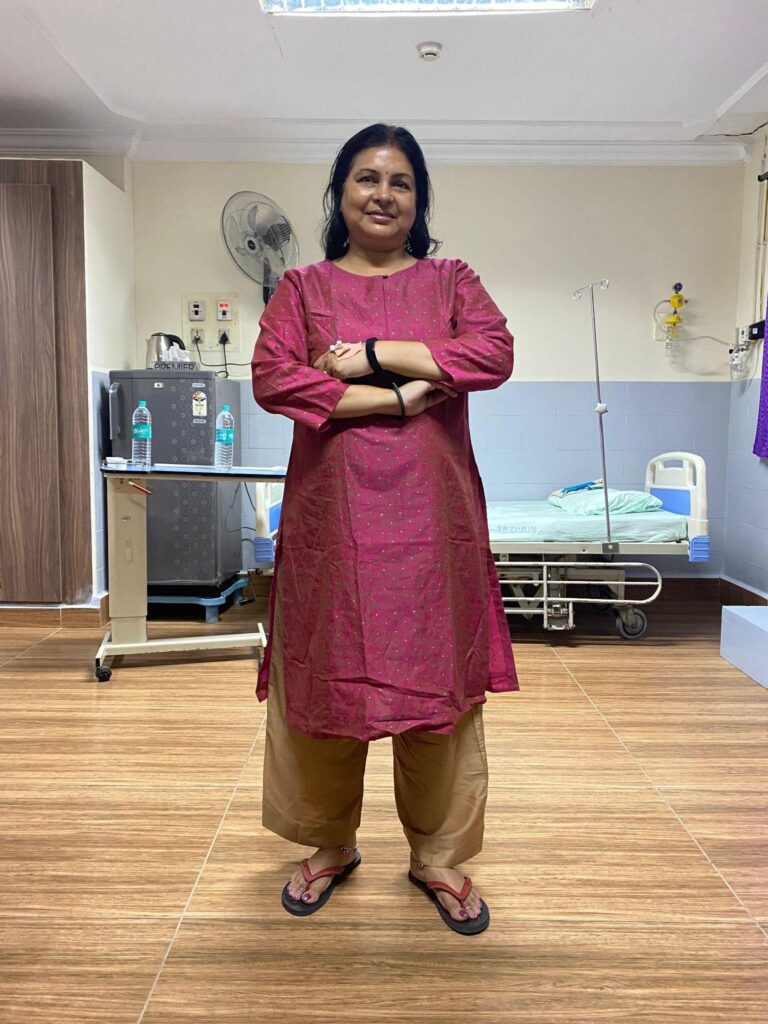
#6 Celebrate all occasions: So, this is the only picture that I’ve included here, which was clicked at a hospital. This is at NIMHANS Bangalore, back in 2022. And her birthday coincidentally fell in the midst of her admission there. We celebrated her birthday while she was admitted there for 15 days. We make it a point to celebrate every single occasion, even the ‘extremely small’ ones, despite knowing that it will not register in her memory.
My learnings:
A. The role of patriarchy: It is extremely important for us to acknowledge the gendered aspect of mental health. Two-thirds of the people with Alzheimer’s are women. Why? Because of the simple reason that they’ve been socialized to deprioritize themselves. Who ends up sacrificing their passion mostly to take care of family and children? It’s the women in our family.
A lot of times, they don’t have an identity of themselves beyond that of taking care. Since the disease had removed a lot of her filters, in the initial times of it, she would talk about the injustices of all of this, her unfulfilled dreams. This is an extremely early onset. Maa had dementia starting when she was just 49 years of age. Every single other person that we’d known of having dementia was at least 70-80 years old.
B. Resilience: It has taught me resilience like nothing else ever has. A lot of the things outside don’t end up bothering me as much anymore because I view them in context of this.
C. Negative words stick in the brain: This is a very interesting observation that I’ve made. I might say a hundred positive things about my mother, but let’s say if something slips from somebody about one negative aspect, that will stick to her brain. And this is what tells me that negative words get entrenched in our brain so much that for a person whose active brain cells are slowly decreasing, the brain chooses to remember the negative words, which is why it has made me even more cognisant of the weight of words that I use with people.
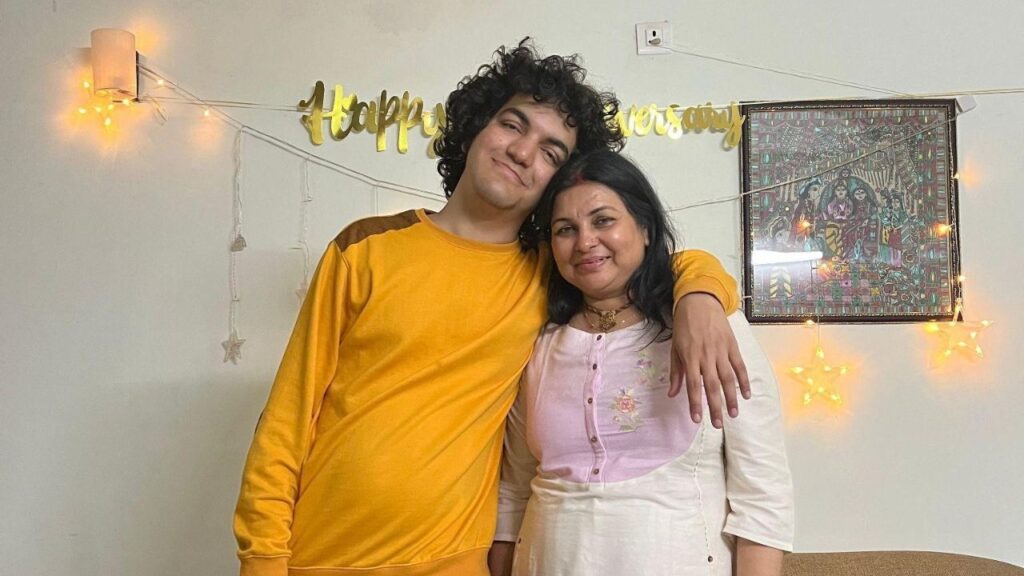
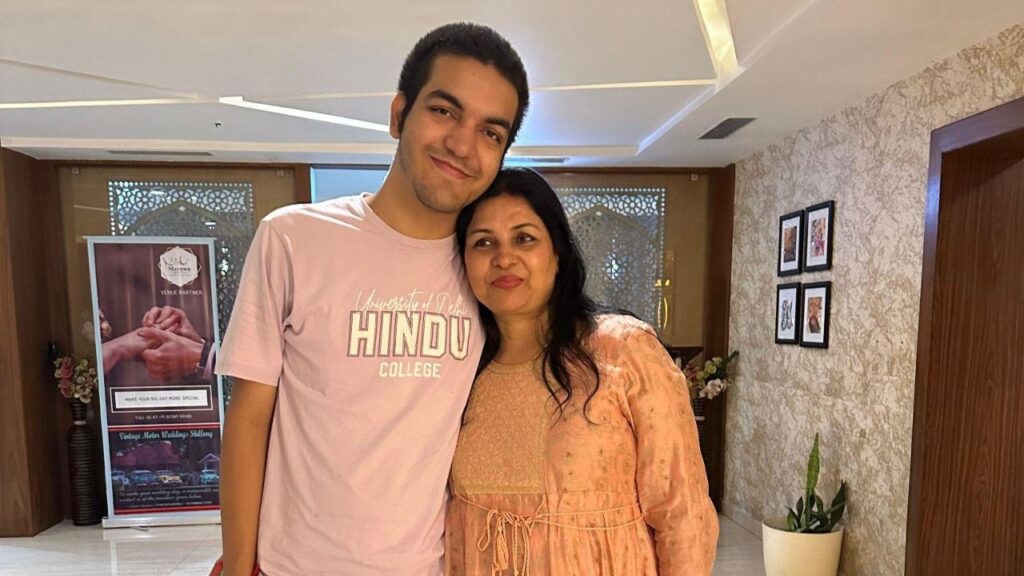
D. Invisible Disabilities: In every single one of the pictures added here, she’s been suffering through this disease. This also elaborates how some disabilities might not be evident at first, from the outside. Thus, we should all be kinder and more empathetic.
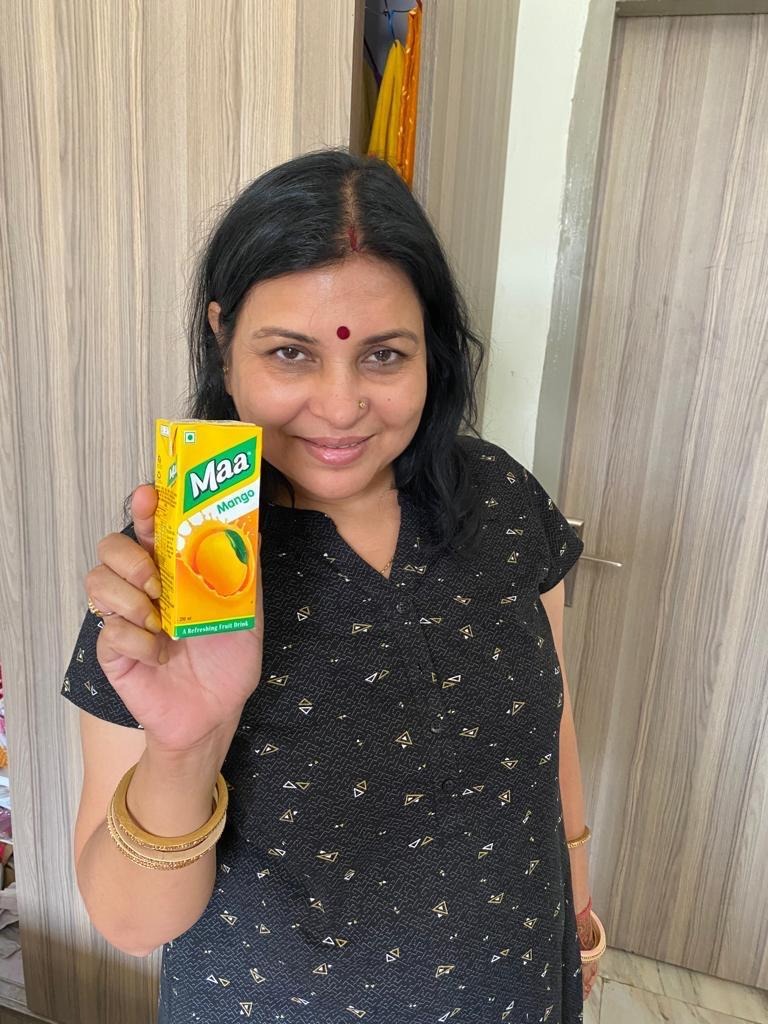
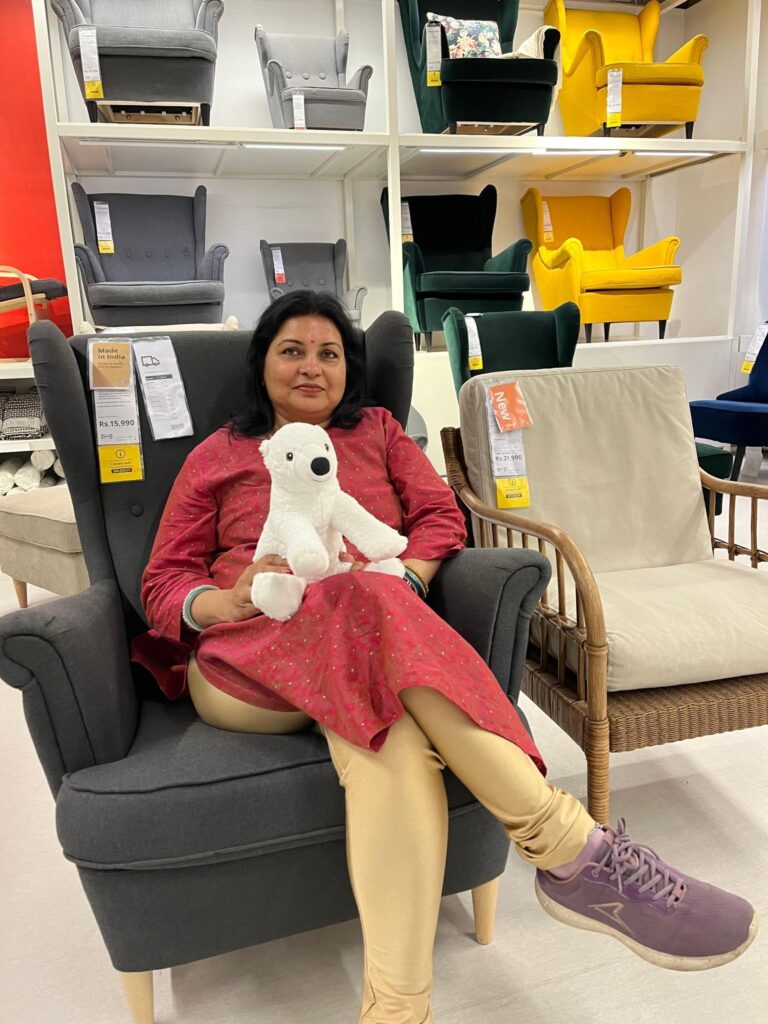
E. Seek professional help: As a society, we consider mental health as being such a massive taboo. But in one-on-one conversations, I would get to hear of others’ family members suffering through mental health issues. We don’t like to address the symptoms of it, until it gets very, very late. I’ve been in therapy for the past 4 years, and even though people might call it just talking, it is the process of processing your emotions with someone who’s trained to be your co-travellor in this.
F. Importance of a support system: It has, of course, taught me how people around you are extremely important, not just in dealing with something of this sort, but also in dealing with everything in life. The anxiety of writing this piece was so dysfunctioning that I wasn’t able to get myself to start for months. Finally, I ended up writing it by body doubling i.e. working while having a friend with me on video call.
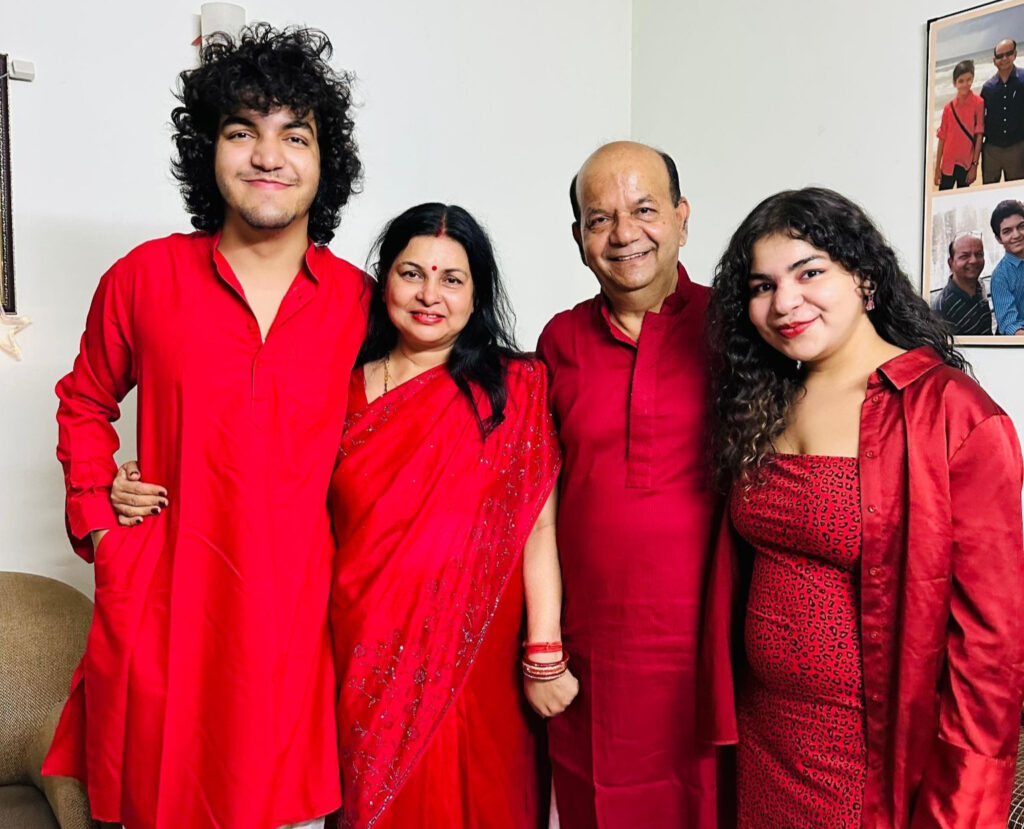
One last thing, I deeply hope nobody has to experience this. But if you do happen to know someone who is currently a caregiver, please consider sending them a random check-in. It goes a long way. Caregivers often carry a subconscious weight that because they are the support system, they aren’t allowed to need a support system.
Maa, Anju Jha.
I’d like to end with this:
You don’t know how strong you are, until being strong is the only choice you have.
Jatin Jha is an SBI Foundation Youth for India fellow posted in Tuensang, Nagaland, working with NGO ECS, and has designed and led a project at the intersection of Gender & Health.